
Are Gutter Guards Worth It on Long Island?
Gutter guards can save you a lot of ladder work. They can also be money you did not need to spend. Here is how to tell which one your house is.
The short answer
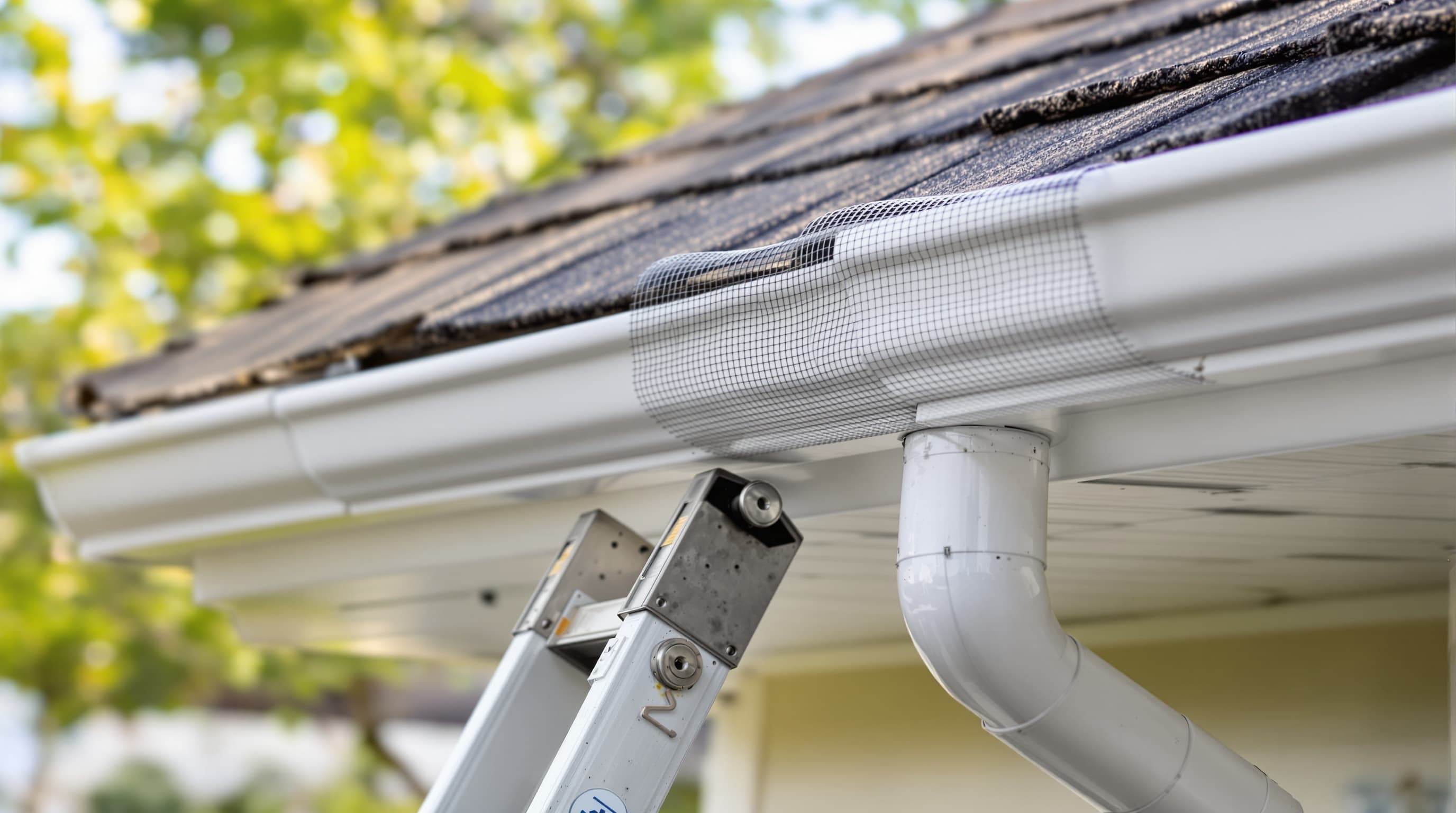
Gutter guards are worth it when trees drop a lot on your roof. They are also worth it when cleaning your gutters is hard or unsafe. If neither is true, regular cleaning usually costs less.
Guards do not end gutter maintenance. They cut down how often you need it. That difference is what you are paying for.
What gutter guards cost compared with cleaning
Guard prices depend on the type and on how many feet of gutter you have. Screens and foam inserts are the cheapest. Installed micromesh guards often run about $15 to $30 per linear foot on Long Island. National brands often quote more than that.
A professional gutter cleaning often runs about $150 to $250 for a one-story house. Two-story homes usually cost more. Most homes need at least two cleanings a year.
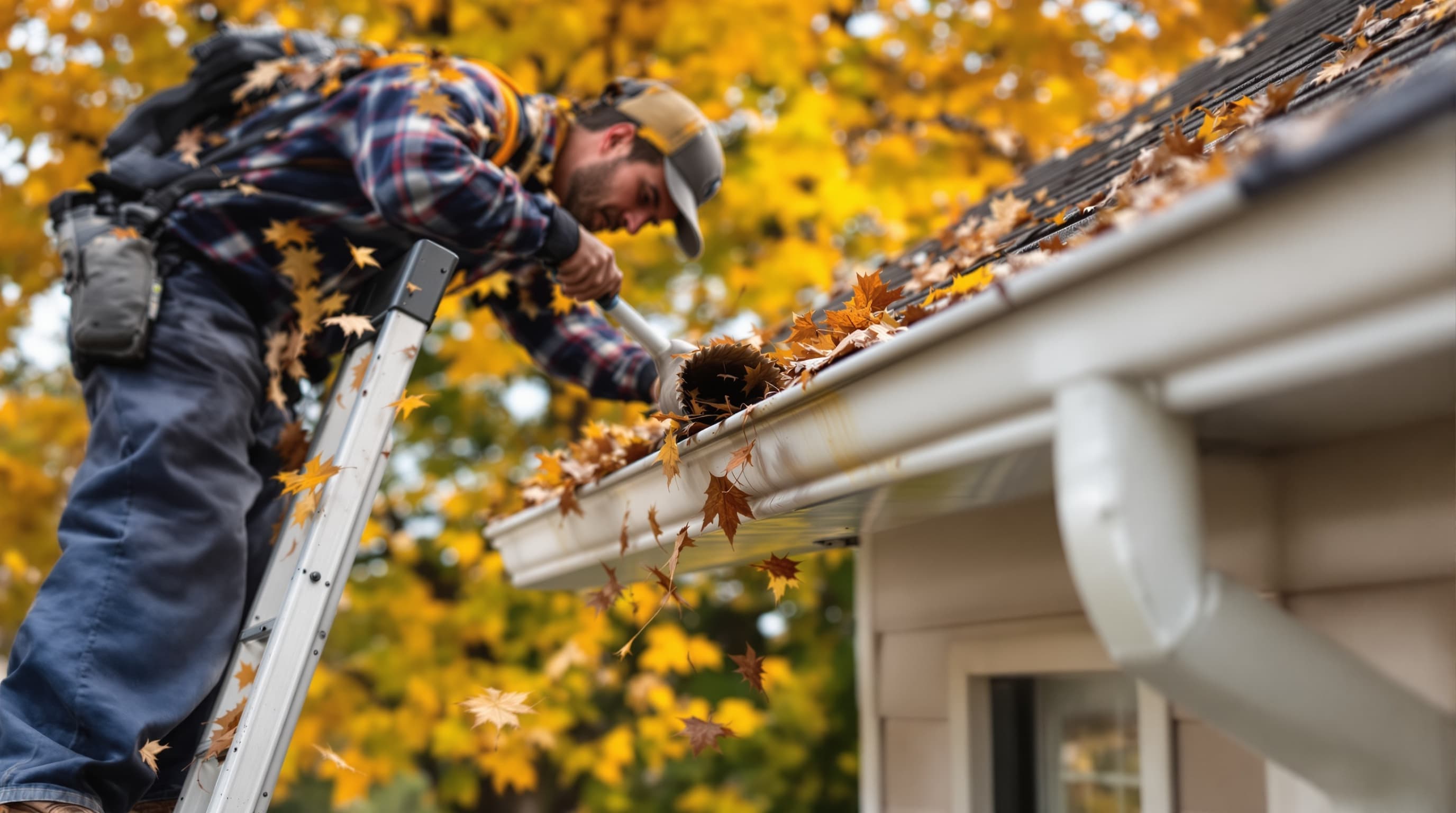
Here is a simple way to compare. Say your house has 150 feet of gutter. Micromesh guards at $20 a foot would cost about $3,000. Two $200 cleanings a year add up to $400.
At those numbers, the guards pay for themselves in about seven or eight years. A tall house under heavy trees needs more cleanings, so guards pay off sooner. A one-story house with no trees may never break even.
Homes where gutter guards make sense
- Big trees over the roof. Oaks, maples and pines shed something from spring into late fall. Leaves, seeds and needles all end up in the gutters.
- A two-story house or a steep roof. Cleaning means a tall ladder. Ladder falls are a real risk.
- Overflow has already caused damage. Water spilling over the gutter can rot the fascia or end up in the basement.
- You clean more than twice a year. If you are up there three or four times a year, guards pay off faster.
Guards pay off best on wooded North Shore streets. Many parts of Huntington are like that. Our page on gutter cleaning and guards in Huntington covers that area.
What Long Island trees put in your gutters
The kind of trees over your roof matters as much as how many there are. Each one clogs gutters in its own way.
- Maples drop winged seeds in spring. The seeds pile up and can sprout in a wet gutter.
- Oaks drop flowers and pollen in spring. In fall they drop leaves and acorns.
- Pines drop needles, mostly in fall. The needles are thin enough to slip through coarse screens.
If pines hang over your roof, fine mesh is the type to look at. A coarse screen will not stop the needles. With mostly big leaves, a simpler guard may do the job.
When gutter guards are not worth it
- No trees near the roof. A little wind-blown debris is easy to clear once or twice a year.
- A one-story house you can reach safely. A short ladder and an afternoon may be all it takes.
- Gutters that are due for replacement. Guards on old, sagging gutters are wasted money. Replace the gutters first, then add guards.
If your gutters leak at the joints or pull away from the house, start there. Seamless gutters have no joints along each run. Guards can go on at the same time or later.
Gutter guards still need some maintenance
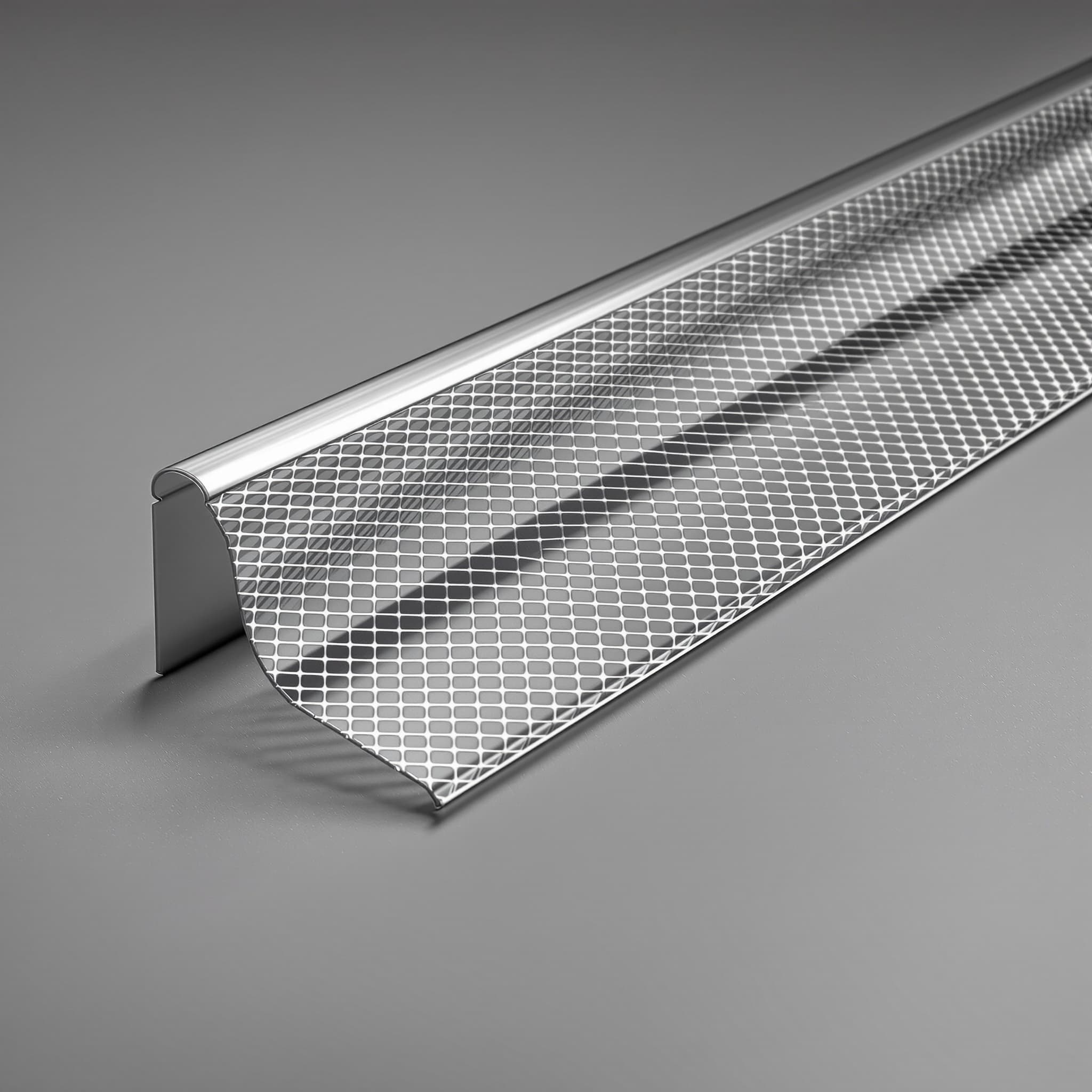
No guard keeps a gutter clean forever. Pollen and small seeds can sit on top of a mesh guard. Rain usually washes them off, but not always.
Plan on a quick check once a year. Rinse or brush the guards when you see buildup. Downspouts can still clog, so look at them after a heavy rain.
If you decide against guards, a regular gutter cleaning schedule does the same job. Most homes need a cleaning in late fall and again in spring.
How gutter guards handle heavy rain
Guards change how water gets into the gutter. In a hard downpour, some guards let part of the water run past the edge. Reverse-curve covers on steep roofs are the most likely to do this.
Mesh guards can do it too once a film of pollen builds up on top. A quick rinse fixes that. If your gutters already overflow in heavy rain, guards will not solve it. A bigger gutter or an extra downspout will.
Which type of gutter guard to choose
Guards come in a few main types. Screens and foam inserts are cheap, but they clog with needles and seeds. Reverse-curve covers handle big leaves well. Fine micromesh blocks the widest range of debris.
Our guide to gutter guard types on Long Island goes into more detail. It covers what each type costs and where each one falls short.
Questions to ask before you buy gutter guards
- What type of guard is it, and how fine is the mesh?
- Will the gutters be cleaned and checked before the guards go on?
- How does the guard attach, and does it touch the shingles?
- Does the warranty cover the product only, or the labor too?
- What is the total price for your gutter length, in writing?
Want a straight answer for your house? Call (516) 529-6634 and we can look at your trees, roof and gutters. You can also read about our gutter guard installation.
Frequently asked questions
Free quote in one visit
Ready for a quote you can trust?
Pick up the phone or send us the details. We'll respond same-day, Monday through Saturday.
- Free, no-pressure written estimate
- Licensed, insured, family-run since 2014
- Seamless gutters formed on your driveway
- Same crew from measure to cleanup